Identify
Understand local waterways, pollution sources, and the communities connected to them.
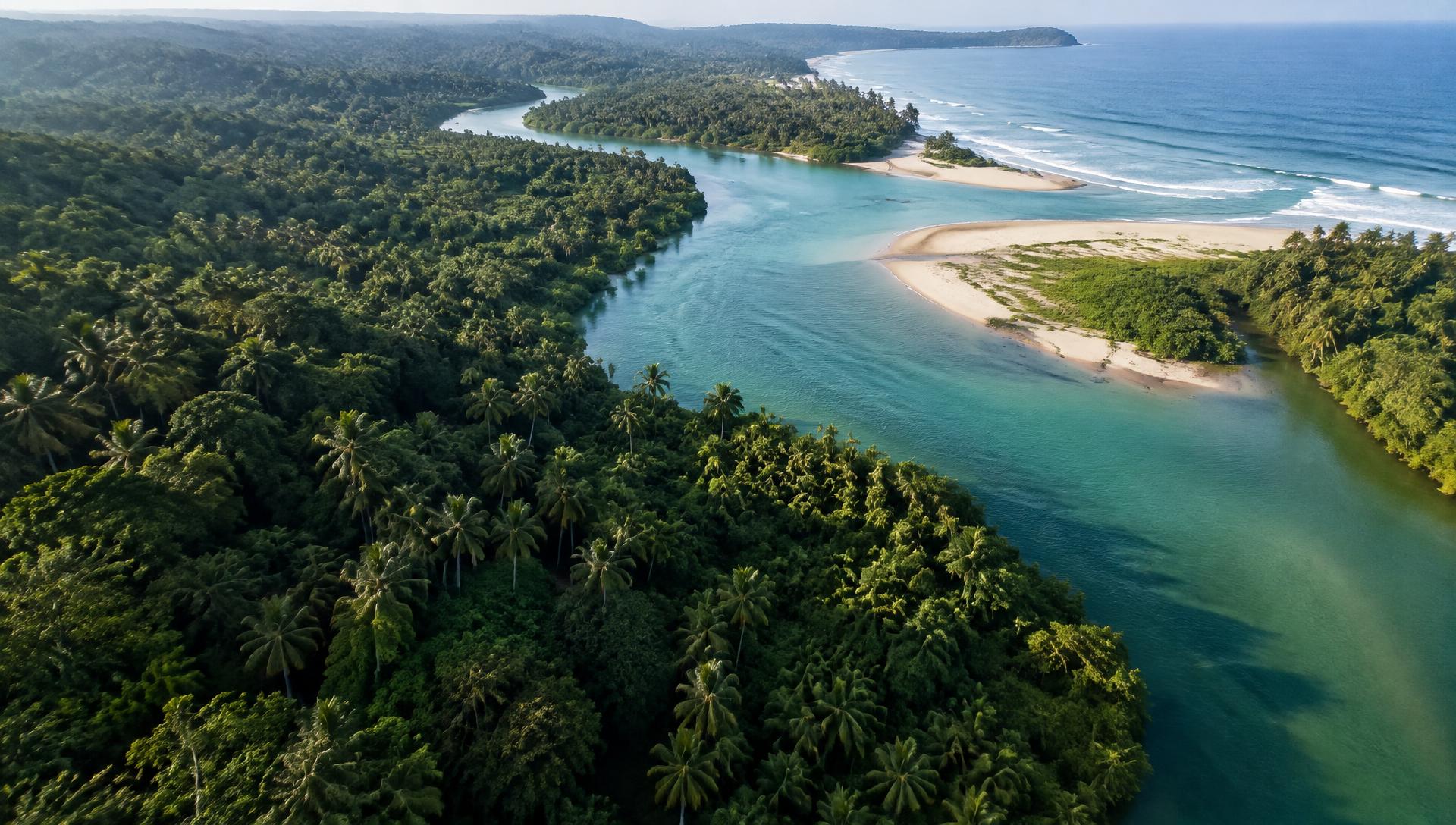
Our approach
A practical model for stopping plastic upstream, shaped with the people who know their waterways best.
Our intended model
We’re developing an approach that considers the whole journey—from the point of interception to the final destination of every collected load.
Understand local waterways, pollution sources, and the communities connected to them.
Explore suitable ways to capture floating plastic before it reaches the sea.
Work with local workers and waste-management partners, with a responsible destination for what we collect.
Track collected waste, operating costs, disposal destinations, and verified results.
Before deployment
Interception methods must suit the waterway. We intend to assess flow, seasonal conditions, access, ecological considerations, and local permissions before choosing equipment.
We also intend to establish safe working practices and suitable waste-management arrangements before collection begins.
See where we’re startingWhat accountability means
Record quantities and material types using a consistent method.
Understand the real resources required to run collection responsibly.
Document where collected material goes, including recycling where suitable.
Distinguish measured outcomes from goals, estimates, and lessons learned.
A shared responsibility
We’re looking for people and organizations who believe that meaningful change begins upstream.
Partner With Us